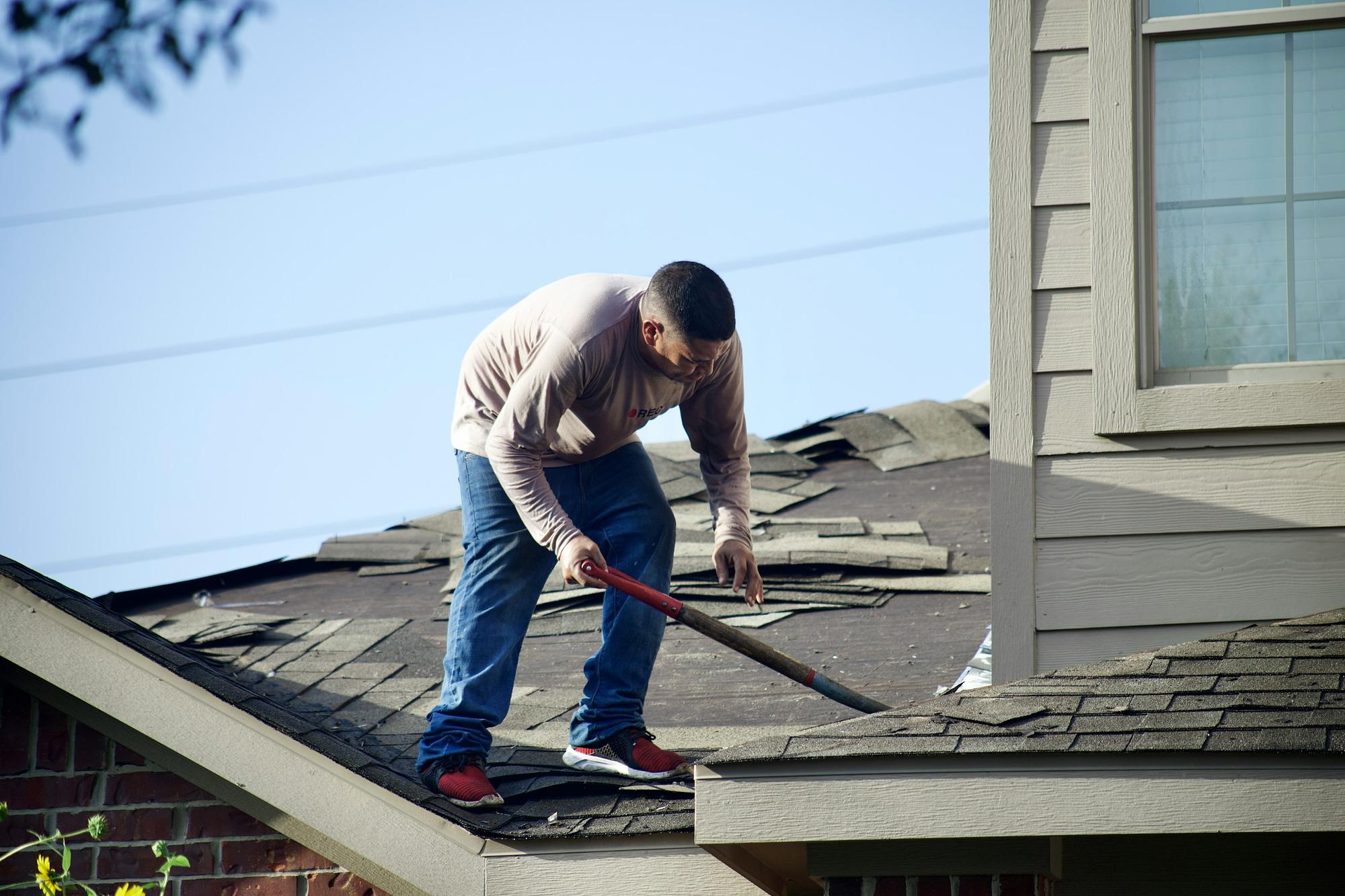
A man climbs onto a roof with no safety harness. He steps through a thin sheet of insulation and plunges to the concrete floor below. In seconds, he can no longer move his arms or legs.
That’s what happened to Juan, an immigrant from Nicaragua, on a cloudy Friday in Madison in August 2023. But the fall was just the beginning of his nightmare. What came after, the fight to get medical care, find out who was responsible, and get any money at all, took nearly two years.
His story is a warning for anyone working a job where the rules aren’t always followed.
He Needed Work. He Didn’t Ask Too Many Questions.
Juan came to the United States in December 2022. He crossed the Rio Grande into Texas after fleeing political violence in Nicaragua. He had no work permit, but he needed money to support his family back home.
Like many immigrants in his situation, Juan found work through a recruiter who connected him with construction jobs. He traveled across the Midwest, sometimes working 13 hours a day fixing and building things.
He rarely knew exactly who his boss was. Asking too many questions could cost him a job, so he just worked.
That became a huge problem the moment he hit the floor.
Who Was Going to Pay His Bills?
When Juan arrived at the hospital in Madison, doctors faced a medical emergency. His attorneys faced a different kind: nobody could say right away who was responsible for paying for his care.
In Wisconsin, employers are required by law to carry something called workers’ compensation insurance. Think of it as a safety net: if a worker gets hurt on the job, this insurance covers their medical bills and helps replace lost wages.
But the two companies involved in Juan’s job, a subcontractor named Luis Villafuerte and a roofing company called RestoreMasters, neither one had that insurance in Wisconsin.
Because Juan was paid in cash and didn’t really know who his employer was, proving who owed him anything was incredibly difficult. His lawyers described it as playing detective, digging through text messages, photos, and phone location records just to figure out who hired him.
Wisconsin has a backup fund called the Uninsured Employers Fund that steps in for workers in exactly this situation. It covered Juan’s care while investigators figured out who was really to blame.
After months of work, state investigators determined RestoreMasters was responsible. The total bill, medical care, compensation for his injuries, and a flight home to Nicaragua, came to nearly $1 million.
This Happens Way Too Often in Construction
Juan’s case is one of thousands. Construction companies are far more likely than other businesses to skip workers’ compensation insurance.
About 1 in 4 businesses that the state found responsible for injured uninsured workers between 2013 and 2023 were in construction. That’s a huge number considering construction is a much smaller slice of the overall workforce.
Many of these companies are small or unstable. After getting caught, a lot of them simply disappear:
- About 1 in 4 of these businesses have shut down since their case was filed.
- Another 1 in 5 are behind on taxes or required reports.
- Fewer than half got proper insurance after being caught.
Some employers intentionally skip coverage to save money and hope nobody gets hurt or that injured workers won’t speak up.
Federal Safety Regulators Never Got Involved
Here’s something that might surprise you: even though Juan was paralyzed on the job, the federal agency in charge of workplace safety, called OSHA, never investigated.
Federal law requires employers to report serious on-the-job injuries. But OSHA is understaffed, and there’s a short window of time to act on cases. Many fall through the cracks.
Making things worse, OSHA and Wisconsin’s workers’ compensation investigators don’t share information with each other. So even though the state spent nearly a year figuring out that RestoreMasters caused a catastrophic injury, OSHA never heard about it.
Nobody went back to check whether that roof job was being run safely. Nobody made sure it couldn’t happen again.
What Workers Should Know
If you work in construction or any job where you’re not totally sure about your employer, here are some basic steps that can protect you:
- Find out who your employer is. Get the company’s legal name. Wisconsin lets you search business records online to verify it’s real.
- Check for insurance. Wisconsin requires most employers to carry workers’ compensation insurance. You can look this up online through the Department of Workforce Development.
- Save proof you worked there. Text messages, photos, and even your phone’s location history can help prove you had a job if something goes wrong.
- Report injuries right away. Tell your employer, see a doctor, and get written documentation of your injuries.
He Made It Home
Juan flew back to Nicaragua last fall on a chartered plane, paid for as part of his settlement. The drive from the capital to his hometown took eight hours and wore him out completely.
He now lives in a house he built with his settlement money. He gets around in a wheelchair.
“Nothing fancy,” he said. But it’s home.
Juan was lucky in one sense: Wisconsin’s backup fund caught him when he fell through the cracks, just like he fell through that roof. But it took two years, nearly a million dollars, and months of lonely hospital stays to get there.
Better rules, better enforcement, and safer job sites could have prevented all of it before he ever climbed up that ladder.
Based on reporting by Paul Kiefer for Wisconsin Watch, published July 2, 2026. Wisconsin Watch is a nonprofit newsroom. Read the full original story at WisconsinWatch.org.